Why Open‑Source AI Hardware Matters
When Meta announced Muse—a personal AI that can book flights, fill out forms, and shop for you—it seemed like another chatbot. The twist? Meta now hands you the schematics to embed that brain into any gadget you can imagine. By open‑sourcing firmware and a Linux SDK, the company is turning Muse from a cloud service into a playground for makers.
This move signals a broader shift: AI is no longer a black‑box you only interact with through a screen. It can live on a Raspberry Pi, an ESP32, or even a USB‑C stick plugged into your TV. For developers, that means you can tailor the AI’s “body” to suit niche use‑cases that Meta’s own products might never explore.
Getting Started: From Code to Concrete
Meta’s toolkit is surprisingly approachable. The open‑source firmware runs the low‑level hardware, while the SDK lets you write Linux‑compatible code that talks to Muse’s cloud API. The company even seeded the community with starter projects—think a color e‑ink display that shows your schedule, or a tiny dongle that turns any HDMI‑capable screen into a Muse interface.
Here’s a quick roadmap for hobbyists:
- Pick a low‑cost board (Raspberry Pi Zero or ESP32 are popular).
- Flash Meta’s firmware onto the device.
- Use the SDK to connect sensors, buttons, or displays.
- Deploy your code and let Muse handle the heavy AI lifting.
Meta backs this effort with a Discord channel where you can swap snippets, troubleshoot, and showcase builds. The community vibe feels more like an open‑source garage than a corporate R&D lab.
What This Means for the Future of Personal AI
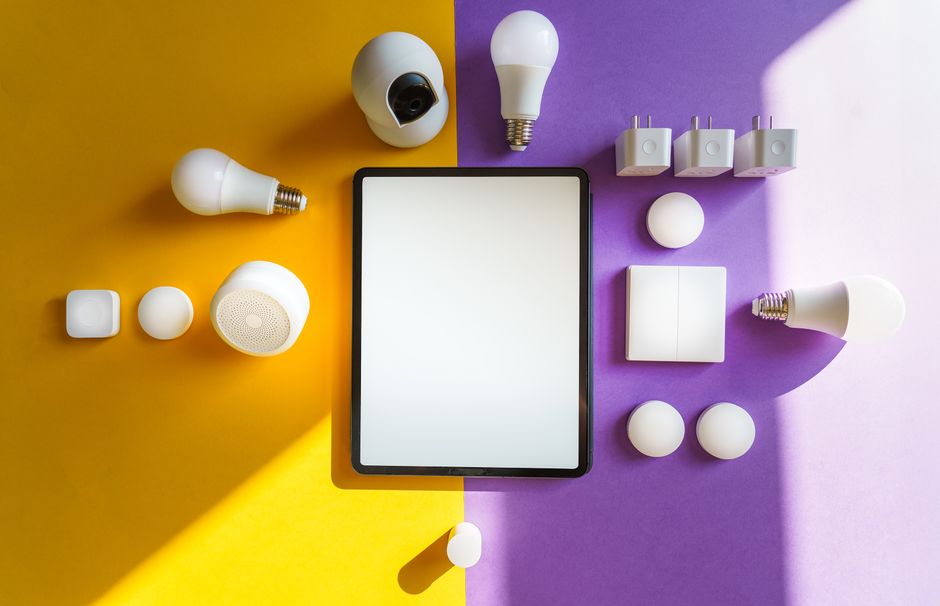
The first hardware experiment, Muse Home Link, already demonstrates practical value. A USB‑C powered box that plugs into your home network lets Muse control smart speakers, TVs, and other IoT devices. Meta manufactured 5,000 units and gave them away for free to Muse subscribers—a clear incentive to seed adoption.
Beyond novelty, these gadgets could redefine how we interact with AI. Imagine a kitchen countertop with a tactile button that asks Muse to order groceries, or a wearable badge that whispers calendar reminders based on ambient light sensors. The open platform removes the “one‑size‑fits‑all” limitation and invites niche innovators to create truly personalized assistants.
Of course, the approach isn’t without risks. Exposing AI endpoints on DIY hardware could broaden attack surfaces, and Meta’s oversight on third‑party implementations will likely be minimal. Still, the potential for community‑driven security audits and rapid iteration may offset those concerns.
In short, Meta’s Muse Gadgets could become the Arduino of AI—simple enough for beginners, powerful enough for real‑world integration. If the early adopters can turn a cheap board into a functional AI hub, the rest of the tech world will be watching.
Whether you’re a seasoned maker or just curious about AI’s next frontier, the toolkit is ready. Plug in, code up, and let your imagination decide what Muse will do next.
Photo by Jakub Zerdzicki on Pexels