Why Your Breath Matters More Than You Think
Imagine walking into a meeting, feeling the pressure to play it safe, and then taking a deep, extended sigh. That simple tweak could tilt the odds toward a more daring choice. Recent research from the German Institute of Human Nutrition and Charité – Universitätsmedizin Berlin shows that lengthening the exhale not only calms the heart but also primes the brain to chase rewards, nudging us toward bolder decisions.
Fast, shallow breaths are often tied to stress and snap judgments. In contrast, a slower rhythm—especially one that emphasizes a longer out‑breath—creates a calmer cardiovascular state. That physiological shift appears to rewrite how we evaluate risk, turning caution into curiosity.
The Science Behind the Breath‑Reward Link
The study, published in *Neuron*, measured heart‑rate variability (HRV) and brain activity while participants practiced different breathing patterns. When the exhale was extended, HRV rose, indicating a more flexible, relaxed heart. Simultaneously, functional scans revealed heightened sensitivity in reward‑related brain regions.
In practical terms, participants were more inclined to choose risky options after the prolonged exhale. The researchers suggest that the heart’s relaxed rhythm sends signals that lower the perceived cost of uncertainty, allowing the brain’s reward circuitry to dominate.
- Longer exhale → increased HRV (better autonomic balance)
- Elevated HRV → brain registers rewards more strongly
- Stronger reward response → willingness to take calculated risks
Putting the Insight Into Your Fitness Routine
For athletes and everyday gym‑goers, decision‑making isn’t just about choosing a workout; it’s about pushing limits safely. Incorporating a deliberate breathing cue—inhale for four counts, exhale for six—can prime the nervous system for performance‑boosting risk, like trying a new lift or increasing intensity.
Here’s a quick protocol to test the effect:
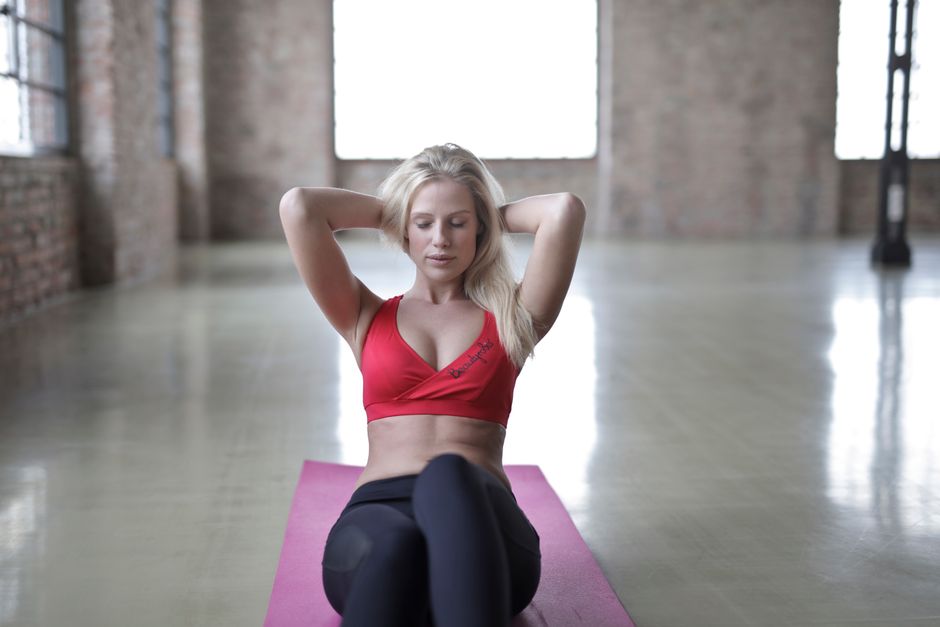
- Set a timer for five minutes.
- Breathe in gently for a count of four.
- Extend the exhale to a count of six or eight.
- Maintain this rhythm while visualizing a challenging yet achievable goal.
After the session, notice whether you feel more open to tackling that next set, a new class, or a dietary tweak. The research implies that the breath can be a low‑tech, high‑impact tool for mental flexibility.
Beyond the Gym: Everyday Applications
Decision fatigue hits us at the office, at the checkout line, and even when picking dinner. A brief pause to lengthen your exhale can reset the heart‑brain communication loop, making you less prone to defaulting to the safe, familiar option.
While the study focused on controlled lab tasks, its implications ripple into real life: investors might breathe before a trade, managers before a tough conversation, and anyone facing a “yes or no” moment could benefit from a mindful sigh.
Bottom line: your breath is more than oxygen—it’s a direct line to the part of your brain that weighs reward against risk. By mastering a simple exhalation technique, you give yourself a physiological edge in the choices that shape health, performance, and confidence.
Photo by Andrea Piacquadio on Pexels