Why the Robotaxi Rush Needs a Brake
San Francisco streets are already sharing the road with dozens of Waymo robotaxis, but the novelty is wearing thin when those driverless cars start to clog traffic or wander into crime scenes. Incidents where autonomous vehicles have blocked police or firefighters have become a headline‑grabbing problem, and they’re not limited to the Bay Area.
Recognizing that the technology is moving faster than the regulatory safety net, California’s legislature has taken a bold step to prevent these disruptions from becoming the norm.
What Senate Bill 1246 Changes
Signed by Governor Gavin Newsom, SB 1246 establishes a set of concrete obligations for companies like Waymo, Tesla and Zoox. The bill focuses on two main goals: faster resolution when an AV goes offline, and clear accountability when a robotaxi interferes with emergency responders.
- Companies must provide “local incident technicians” who can physically assist with accidents or obstructions.
- Remote operators are now required to be U.S. residents with a valid driver’s license.
- If a robotaxi blocks police, fire or EMS for more than 30 minutes, the operator faces penalties.
- Manufacturers must alert municipal authorities about vehicle locations during system‑wide failures.
These provisions are designed to give first responders a real‑time line of support rather than forcing them to move a high‑tech obstacle themselves.
What This Means for the Industry
The new law forces autonomous‑vehicle firms to invest in on‑the‑ground staff—a cost that could slow the rapid rollout of driverless fleets. Yet the trade‑off is a safer, more predictable urban environment where emergency services can do their jobs without navigating a maze of self‑driving cars.
From a business perspective, companies that can quickly deploy local technicians will likely gain a competitive edge, building goodwill with cities that are wary of unchecked robotaxi proliferation. Conversely, firms that rely solely on remote monitoring may find themselves facing fines and public backlash.
Ultimately, SB 1246 signals a shift from a “move fast and break things” mindset to a more measured approach that balances innovation with public safety.
For commuters, the hope is simple: enjoy the convenience of autonomous rides without watching a robotaxi block an ambulance on the way to a hospital.
Only time will tell if California’s regulatory experiment becomes a template for the rest of the country, but one thing is clear—robotaxis can’t afford to ignore the real‑world needs of first responders.
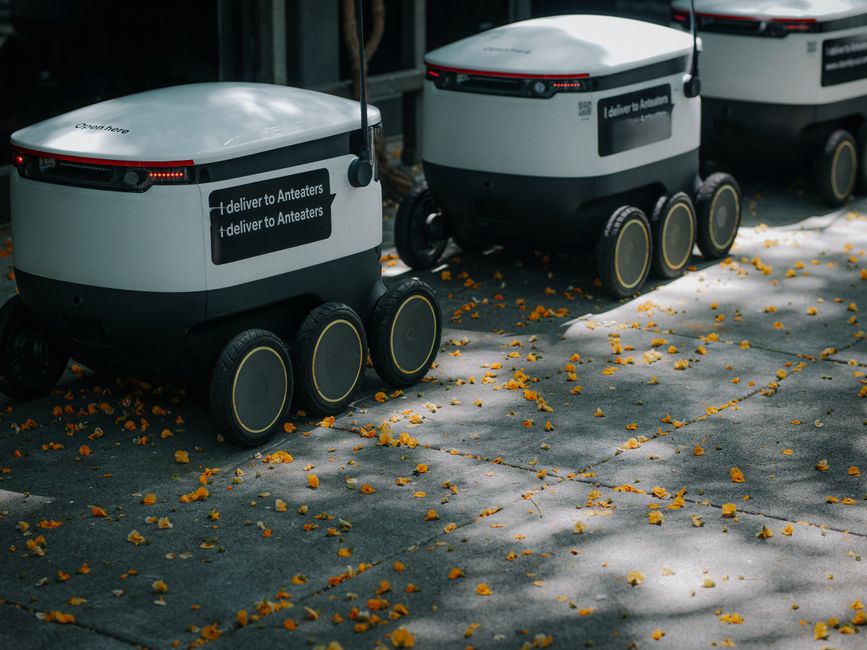
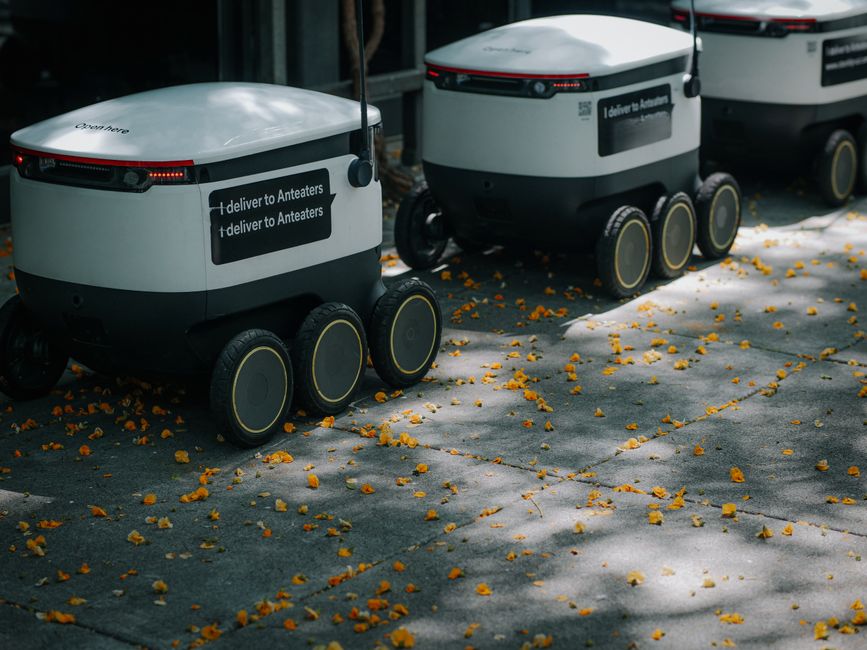
Photo by Ila Bappa Ibrahim on Pexels