The shockwave behind the dip
When J.B. Hunt shares tumbled 13% on Wednesday, most investors saw a panic‑inducing headline. The reality, however, is more nuanced. CFO Brad Delco used the Morgan Stanley Industrials conference to explain that the drop isn’t a surprise failure—it’s a “timing issue” born from deliberate, costly investments aimed at future growth.
In plain terms, the company anticipates a 5‑10% earnings contraction from Q2 to Q3. That projection stems from roughly $25 million in added expenses tied to recruiting, advertising, onboarding, training and sign‑on bonuses. The money isn’t disappearing; it’s being funneled into a larger workforce that can handle higher volume later this year.
- Expected earnings decline: 5‑10%
- Additional Q3 costs: ~$25 M
- Key expense drivers: hiring, training, bonuses
Fuel price turbulence adds a fresh headwind
Even if the hiring spend were the only factor, J.B. Hunt would still be under pressure from a historic swing in diesel prices. Delco called the current fuel environment “radical and abnormal,” noting that record‑high diesel has already carved out a $10 million drag on earnings.
Fortunately, the logistics giant expects freight volumes to rebound sequentially, which could offset some of that fuel hit. The CFO’s optimism hinges on the belief that once the new labor force is fully integrated, the company will be positioned to capture more shipments, thereby neutralizing the diesel penalty.
Margins are a work in progress
Delco was candid about margin recovery: “We are working on repairing our margins, though I believe the company still has a long way to go.” The message is clear—J.B. Hunt is not betting on a quick fix but on a structured, multi‑quarter effort to tighten cost controls while expanding capacity.
Investors should remember that the stock has doubled over the past 12 months. A 13% correction after such a rally may feel dramatic, but it also provides a potential entry point for those who trust the long‑term playbook.
- Margin improvement is ongoing, not immediate
- Volume growth expected to offset fuel costs
- Stock up 100% YoY, making the dip a relative discount
In short, the headline‑grabbing plunge masks a strategic pivot. J.B. Hunt is deliberately inflating its cost base now to build a more robust, scalable operation that can weather volatile fuel markets and capture rising freight demand.
For investors, the key question isn’t “Why did the stock fall?” but “Do we believe the company’s growth plan will deliver higher earnings once these short‑term costs evaporate?” If the answer is yes, the current dip could be the calm before a stronger upside.
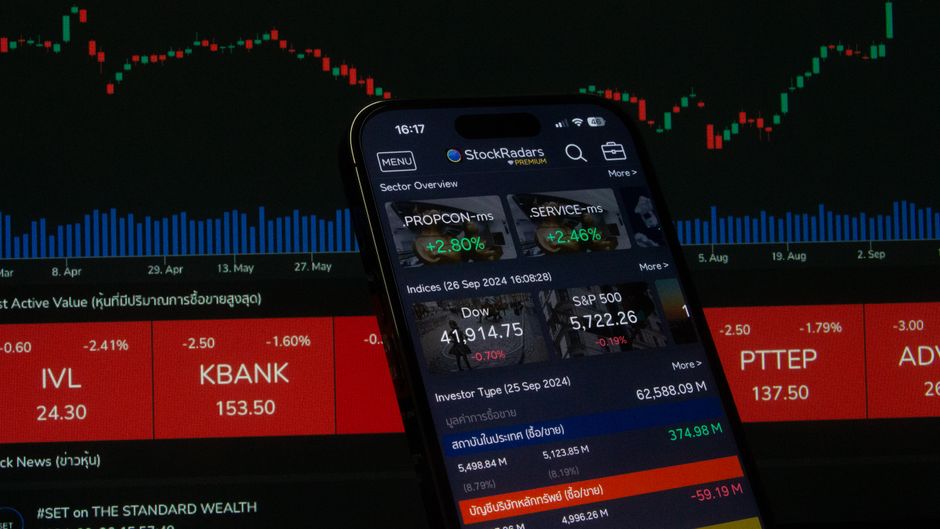
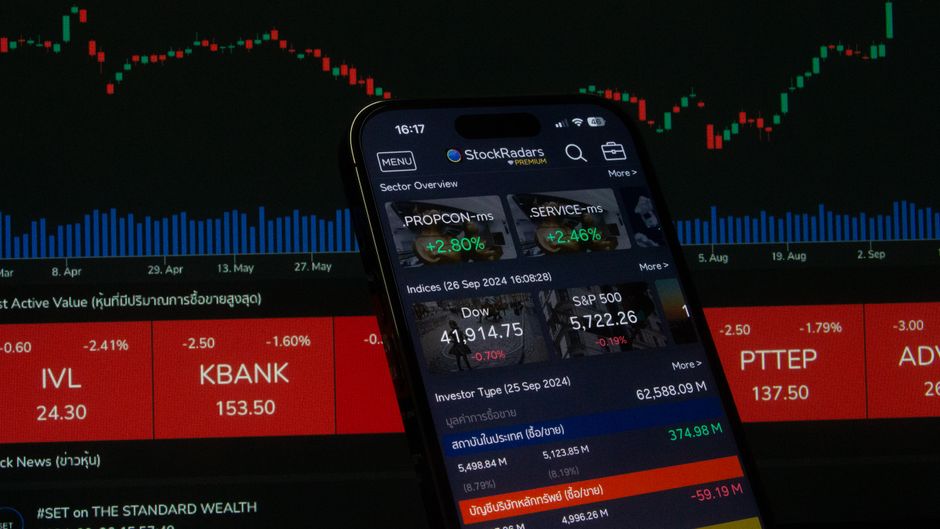
Photo by Rafael Minguet Delgado on Pexels